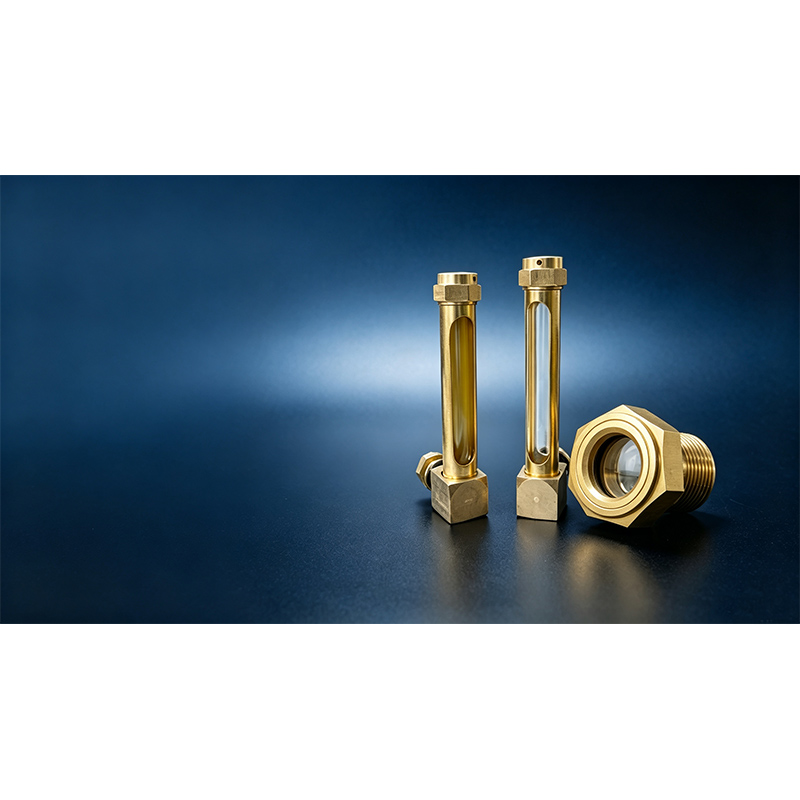



















Brass sight glasses, also known as liquid level indicators or flow viewing windows, are pipeline fittings designed to visually observe fluid status inside closed pipes, tanks and equipment. They allow operators to check liquid levels, media flow conditions, detect foam, impurities or confirm whether liquid circulation is normal. Widely applied in hydraulic systems, compressors, refrigeration equipment, HVAC, water treatment, lubrication circuits and general industrial fluid pipelines.
We supply multiple standard thread options to meet global market demands, including NPT, BSPP(G), BSPT(R) metric threads. All threads are precisely machined to comply with international standards. Custom thread specifications can be developed upon request. Our tube type brass level sight glasses and screw-in oil sight plugs are available in various sizes ranging from 1/4″ up to 2″ for different installation requirements.
Standard brass sight glass operates under a nominal pressure PN16. The maximum working temperature ranges from -20°C to 120°C, depending on the sealing gasket material. If working with higher temperature media, we can equip high-temperature resistant gaskets. Continuous operation exceeding rated pressure and temperature will shorten service life and may cause sealing leakage. Please inform us of your working conditions before ordering.
They work well with clean water, hydraulic oil, lubricating oil, coolant, refrigerants and other non-corrosive fluids. Brass is not suitable for strong acid, strong alkali, seawater and highly corrosive liquids. For corrosive medium applications, we recommend stainless steel sight glass models.
Yes. We support OEM & ODM customization. You can customize body length, thread size, sight window length, gasket material and surface treatment. We can also produce sight glasses with impeller for flow observation. If you have drawings or samples, send them to us for quotation and production evaluation.
Screw-type sight plugs should be tightened evenly by hand plus proper torque; avoid over-tightening which may crack the glass lens. Tubular brass level sight glasses need vertical installation for accurate liquid level reading. Ensure the sealing gasket is correctly positioned during installation. Do not apply strong impact or welding heat directly on the sight glass body.
Common leakage causes include excessive tightening force breaking the glass, aging or damaged sealing gaskets, scratches on thread surfaces, unstable working pressure surges, or incompatible fluid corroding the seal. Regular inspection and periodic replacement of gaskets can effectively prevent leakage issues.
For standard in-stock models, we can arrange shipment within 3–7 working days. For customized brass sight glass orders, the production lead time is normally 15–25 working days according to order quantity and customization details. We will confirm exact schedule when issuing the proforma invoice.
Our brass sight glass products are manufactured following PN16 industrial standards. Raw material brass rods meet standard composition requirements. We can provide material test reports upon your request. If you need special certification such as pressure test certificates for industrial projects, please notify our sales team in advance.
Tubular brass sight glasses (level gauges) are long vertical units mainly used to track real-time liquid height inside tanks and lubrication systems. Screw-in brass sight plugs are short hexagonal fittings directly threaded onto equipment covers, mostly used to check flow existence or basic liquid presence. You can select the type according to your installation space and monitoring purpose.

Restoring the Lifeline: The Role of Advanced Flow Control in Disaster Recovery The news from Venezuela is deeply saddening. On behalf of the entire Fanovo team, our hearts go out to all the families a

What Is a Boiler Drain Valve Actually Used for on Your Molding Equipment? You need a quick mold change. The temperature control unit is full of hot, pressurized water, making the process slow and dang

How Do You Know if Your Mold’s Bypass Valve is Open or Closed? Your mold temperature is unstable, causing defects. You suspect a flow issue, but the chiller seems fine. Is a hidden valve sabotaging yo
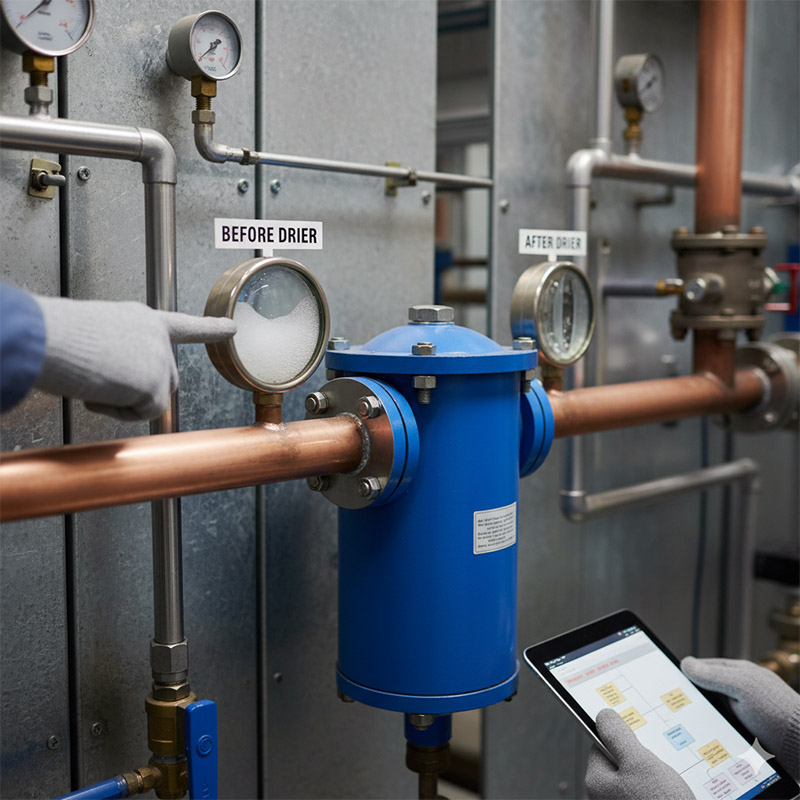
Should Your Chiller’s Sight Glass Go Before or After the Filter-Drier? You’re desperately trying to fix a chiller that isn’t cooling your mold properly. The sight glass looks clear, but you still susp
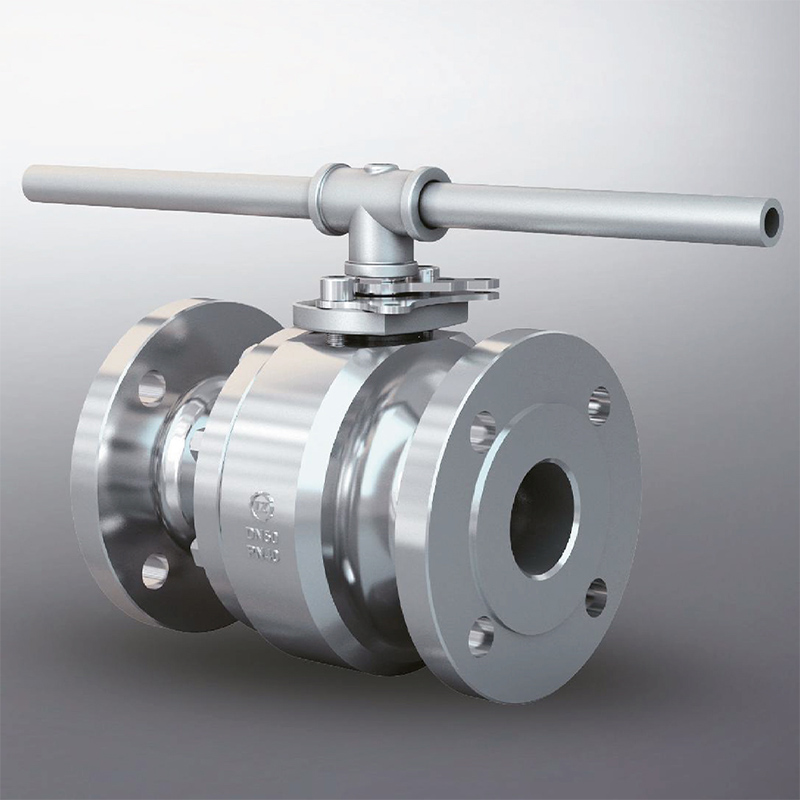
How Does an Industrial Float Valve Keep Your Chiller Tank from Running Dry? The emergency alarm sounds. Production halts. The problem isn’t the mold or the machine, but an empty chiller tank that has

Do Your Mold Sight Glasses Really Need Special Maintenance? You installed them on every cooling line. Now you just glance at them, trusting the little spinners or floating balls. But are you ignoring