















Stainless Steel Sight Glass Manufacturer

Stainless Steel Sight Glass Manufacturer

Factory-direct, reliable stainless steel sight glasses built for visual fluid monitoring. We supply a comprehensive selection of robust sight glass types, manufactured to strict industrial standards for process, plumbing, chemical and fluid handling systems. Rely on consistent quality from a professional sight glass manufacturer.
REQUQEST A QUOTE

Stainless Steel Sight Glass

Certificate

Our commitment to quality, safety, and precision is backed by globally recognized certifications. Every Stainless Steel Sight Glass we manufacture undergoes rigorous quality management and complies with strict international standards for drinking water safety, pressure safety, and environmental protection.
What types of stainless steel sight glasses do you supply?

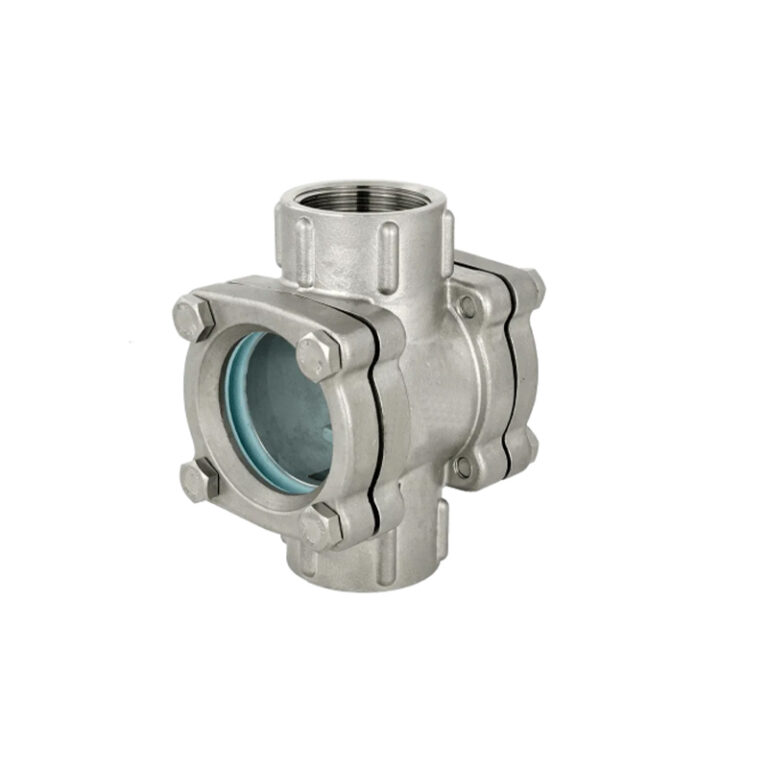
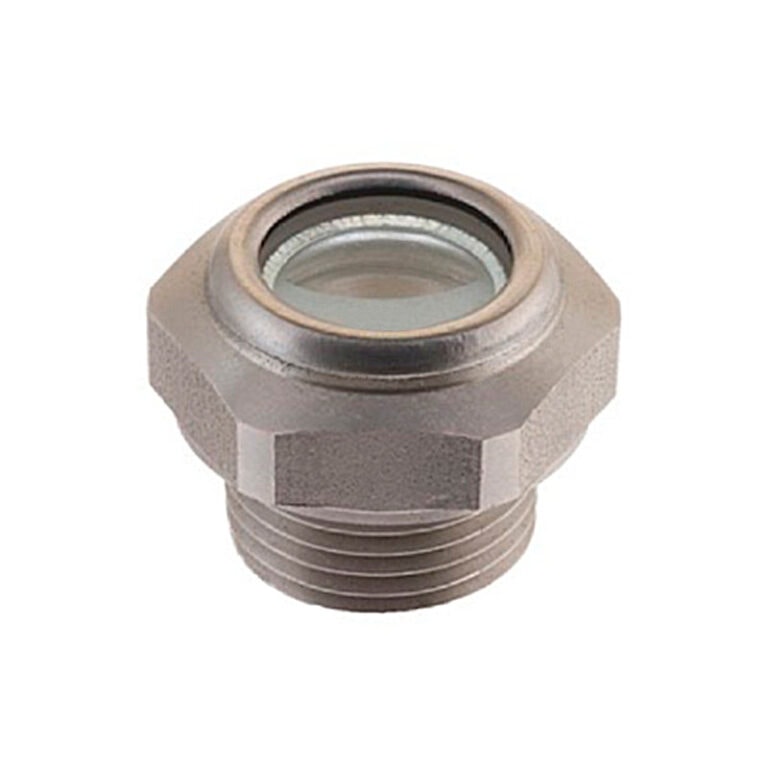
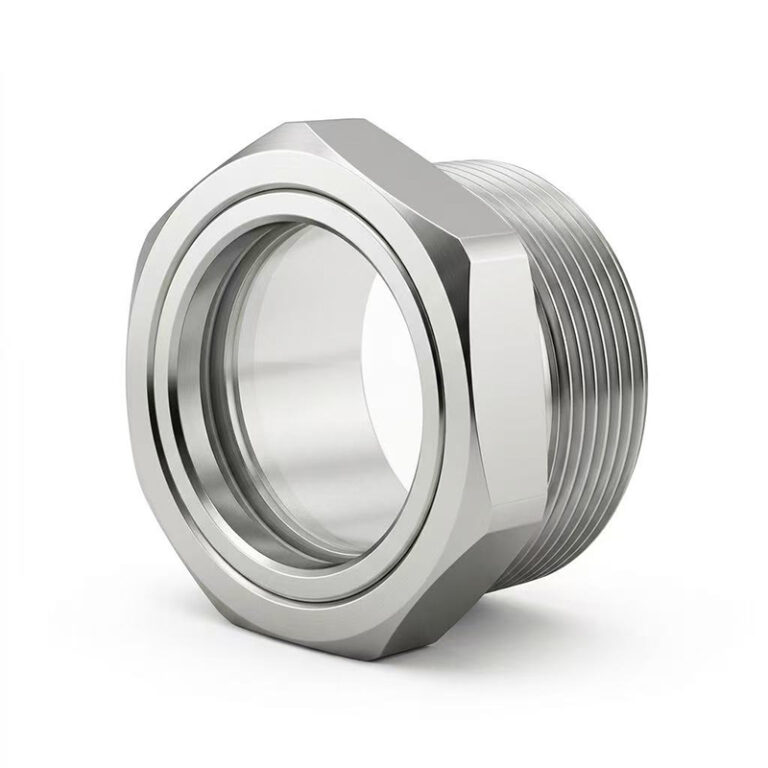
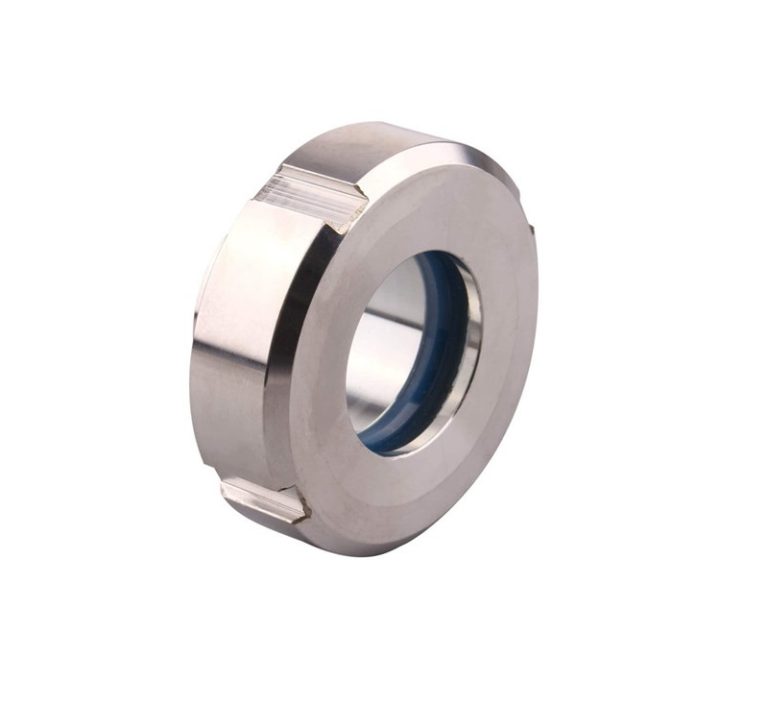
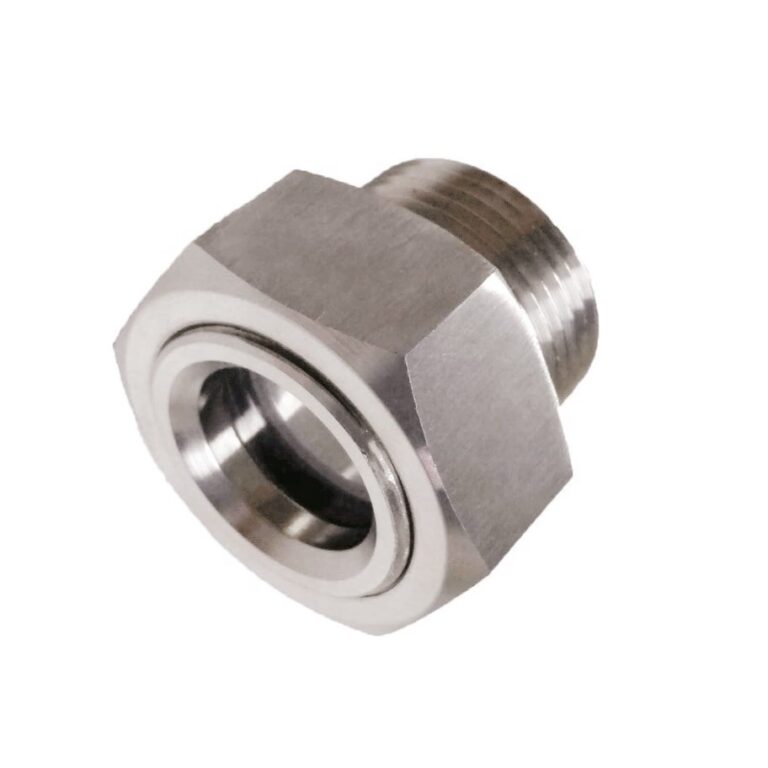
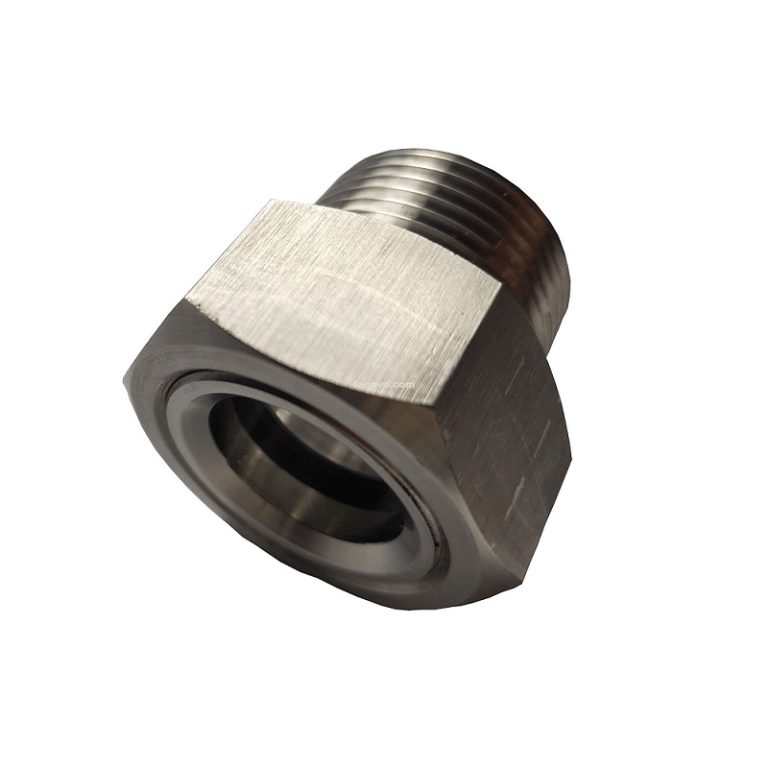
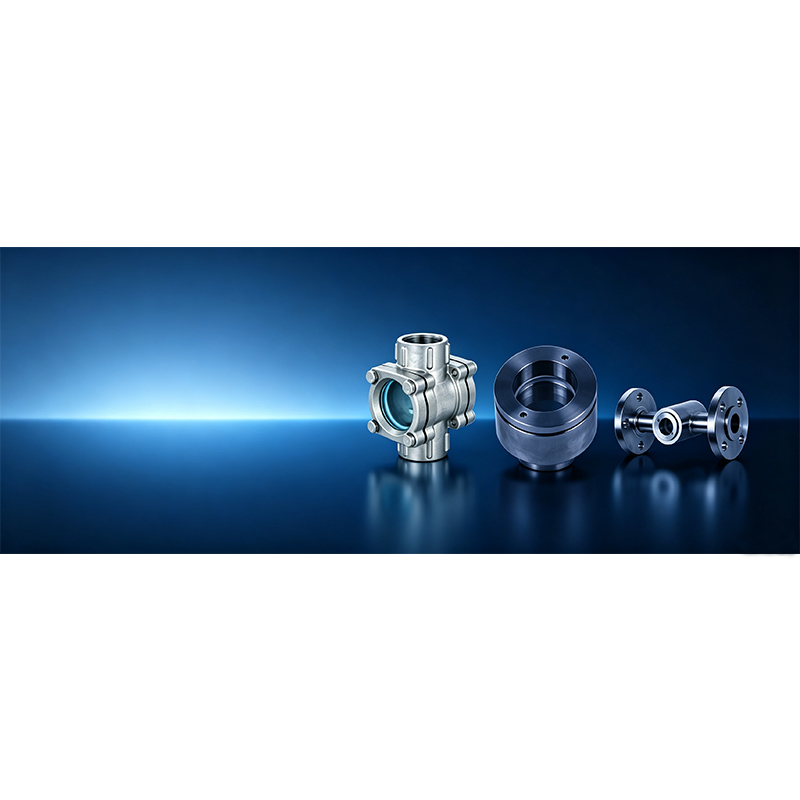
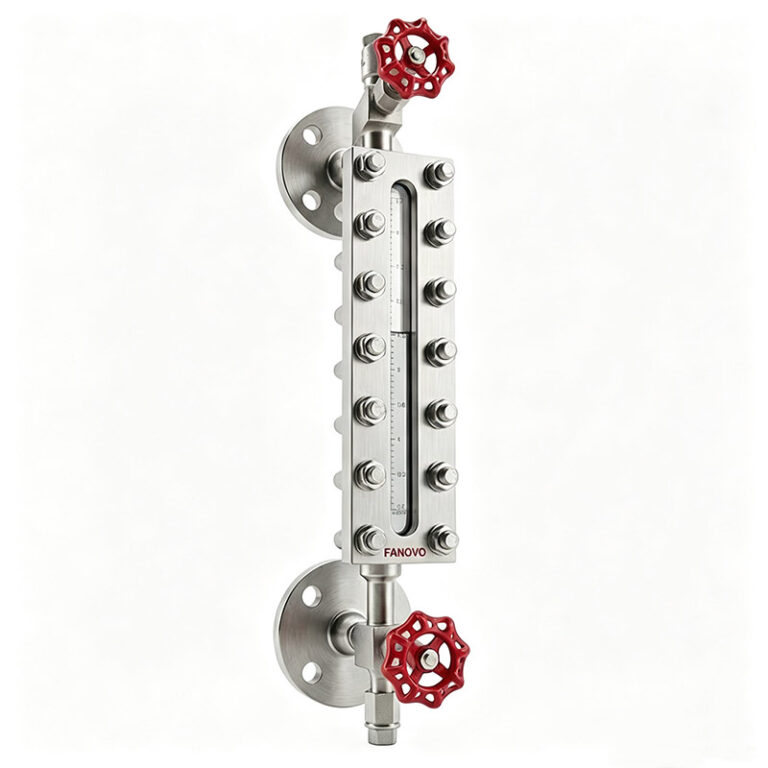
We offer a complete series of stainless steel sight glass models, including double window sight glasses, bull’s eye sight glasses, sanitary tank sight glasses, flange type sight glasses, threaded pipeline sight glasses. Materials cover SUS304 and SUS316L stainless steel. We support multiple connection ends: NPT thread, tri-clamp sanitary connection, RF flange, weld ends. Products are widely used for pipeline flow observation, tank liquid level monitoring in sanitary, chemical, water treatment and industrial fluid systems. Custom sizes and pressure rating options are available upon request.

What pressure and temperature ranges can your stainless steel sight glasses withstand?

Standard models are rated PN16 (16 bar working pressure). High-pressure customized versions up to PN25 / PN40 are available. The borosilicate sight glass window supports continuous working temperature from -20°C up to 200°C. If your working medium involves extreme temperature or rapid temperature changes, we can supply tempered safety glass options to reduce the risk of cracking. We will confirm all operating parameters before production to match your working conditions.

Can you manufacture custom stainless steel sight glasses according to drawings?

Yes, custom manufacturing is one of our core services. We can produce non-standard sight glasses based on your technical drawings, sample dimensions, special flange standards (ANSI, DIN, GB), unique size requirements, special surface finishing or modified installation structures. Our engineering team reviews drawings for pressure safety and structural rationality before quotation. MOQ for customized items can be negotiated.

Are replacement sight glass spare parts available separately?

Yes. We can supply independent spare parts including borosilicate glass panels, PTFE / silicone sealing gaskets, fastening bolts. If you only need replacement windows or gaskets for existing sight glass units, you can send us the size specifications or old samples. It helps you reduce maintenance costs without purchasing complete new sight glass assemblies.

What surface finishes are available for stainless steel sight glass bodies?

For general industrial models, we provide matte sandblasting finish. For sanitary food, beverage, pharmaceutical applications, we supply internal and external mirror polishing (Ra ≤0.8μm) to avoid medium residue. We can also provide brushed finish as requested. All polished stainless steel bodies effectively resist corrosion when handling water, weak acid and weak alkaline fluids.

What certifications do your stainless steel sight glasses have?

Our stainless steel sight glasses comply with common industrial pressure equipment standards. Material test certificates (MTC) for SUS304/SUS316L stainless steel can be provided. For sanitary grade sight glasses, we support documentation suitable for food and hygienic industry inspection. If you need specific third-party certification for your local market, please inform us in advance so we can arrange accordingly.

Which industries commonly use stainless steel sight glasses?

Stainless steel sight glasses are widely adopted across multiple sectors: food & beverage processing, pharmaceutical production, water treatment systems, chemical pipelines, oil & gas auxiliary pipelines, heating boiler systems, brewery equipment, cosmetic manufacturing and general industrial fluid control lines. They allow operators to visually check fluid flow status, liquid level, mixing conditions inside enclosed pipes and tanks without system shutdown.

What sealing material options do you offer for sight glass gaskets?

Standard gasket material is PTFE, which features great chemical resistance. Silicone gaskets are recommended for sanitary and high-temperature food-grade working conditions. We also provide EPDM and Viton gaskets for special medium such as oils and solvents. You need to inform us your fluid medium and operating temperature, so we can recommend the most suitable sealing material to prevent leakage.

What lead time can I expect for bulk orders of stainless steel sight glasses?

For standard in-stock sight glass models, we can arrange shipment within 3–7 working days. For regular mass production orders, the lead time is 15–25 working days. Custom engineered sight glasses based on drawings normally take 25–35 working days. We will confirm exact production schedules at the time of quotation. If you have tight delivery deadlines, contact us to discuss feasible arrangements.

How should I install and maintain stainless steel sight glasses to extend service life?

During installation, evenly tighten bolts diagonally to avoid uneven stress that breaks the glass window; do not apply excessive torque. Avoid sudden violent impact on the glass panel during operation. Regularly inspect gaskets for aging and replace them periodically. If the glass surface gets dirty, clean with soft cloth and neutral detergent. Do not use hard abrasive tools to scratch the glass. Avoid rapid extreme temperature shock to prolong the service life of sight glass windows.

Get An Instant Quote

Still searching? We can help!

How does a float ball valve work?

How Does an Industrial Float Valve Keep Your Chiller Tank from Running Dry? The emergency alarm sounds. Production halts. The problem isn’t the mold or the machine, but an empty chiller tank that has

Read More »

Contact us