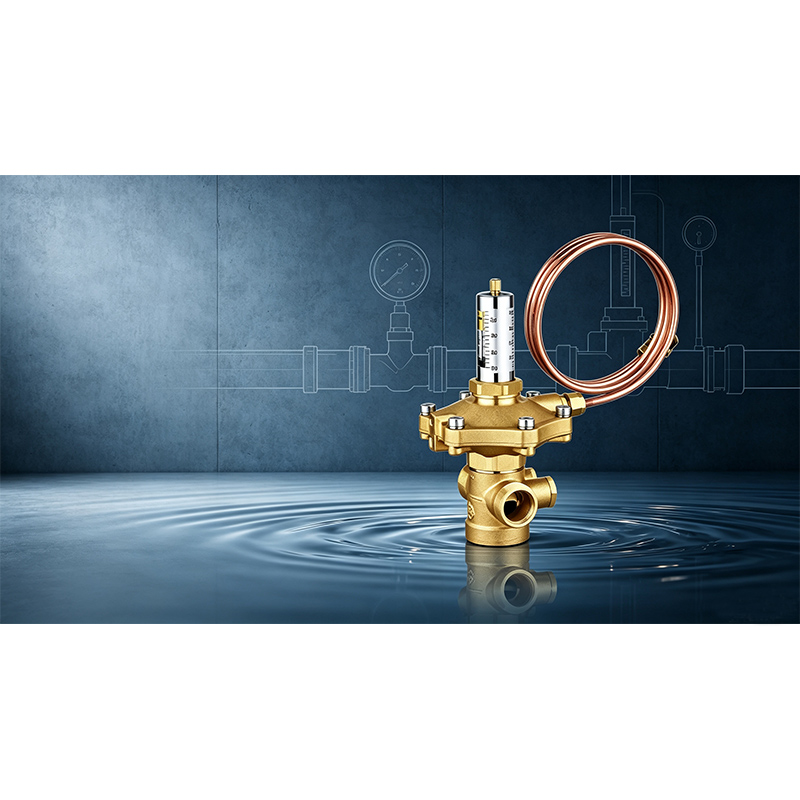
















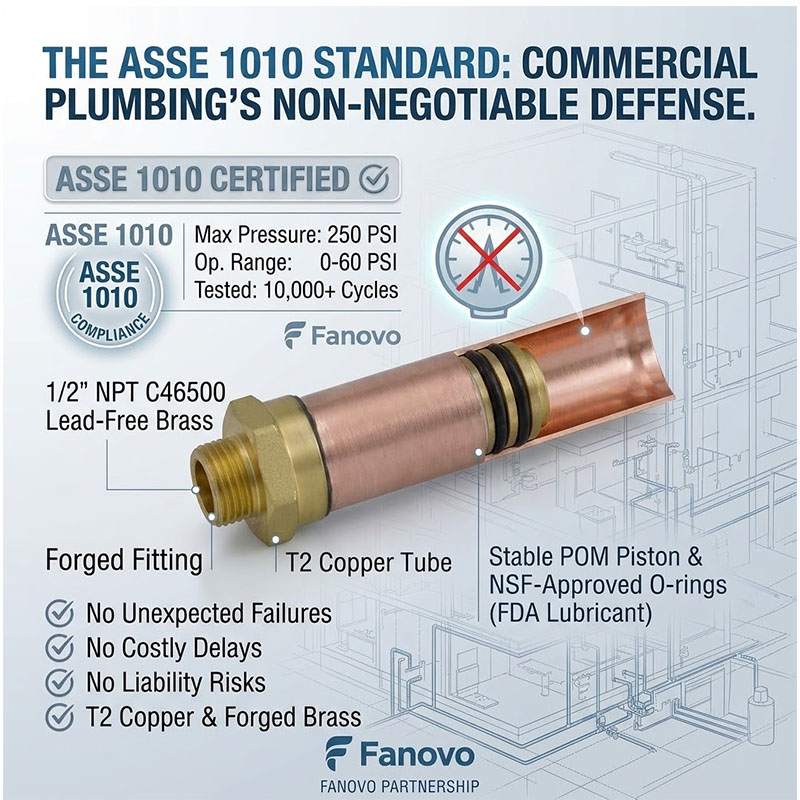


Differential pressure valves, also known as differential pressure control valves, are widely applied in HVAC heating and cooling systems. They automatically maintain a constant pressure difference across terminal equipment such as fan coil units and radiators. The valve eliminates hydraulic imbalance inside the piping network, prevents overflow in circuits, stabilizes water flow, reduces system noise, and protects pipes and heat exchange components from damage caused by excessive pressure fluctuation. They are essential for stable operation of commercial buildings, residential central heating and district heating projects.
Yes, our standard differential pressure valves adopt high-quality forged brass main body. Brass features excellent corrosion resistance, stable mechanical performance and good sealing performance for hot and cold water systems. We can also provide customized material solutions on request. All brass raw materials comply with common international plumbing standards, suitable for long-term continuous operation within conventional heating and air-conditioning water loops.
Our brass differential pressure valves are designed for clean hot water, cold water and glycol mixed water commonly used in HVAC systems. The working medium temperature ranges generally from 0°C up to 120°C. The valves are not suitable for media containing large amounts of solid impurities, strong acid or strong alkaline liquid. If you use special heat transfer fluids, please contact our engineering team to confirm compatibility before ordering.
We mainly supply internal thread connections (BSPP / NPT thread) as standard options, which are most popular for plumbing and HVAC installation. Different nominal sizes ranging from DN15 to DN50 are available. Flange connections can be developed as custom orders for large-size engineering projects. When placing inquiries, please specify thread standard and required size to get accurate quotations.
Our differential pressure control valves support both horizontal and vertical installation. You only need to strictly follow the flow direction marking on the valve body. The remote sensing capillary tube must be correctly connected to the upstream and downstream measuring points to ensure accurate pressure sensing. Improper installation of the sensing line will lead to inaccurate pressure difference regulation and affect overall system performance.
Our standard differential pressure valves are PN16 rated, which meets most commercial HVAC and heating project requirements. The adjustable differential pressure range can be selected according to your system design parameters. If your project requires higher pressure rating or special adjustable differential pressure range, we support non-standard customization for bulk orders.
Under normal working conditions with clean circulating water, our differential pressure valves need minimal maintenance. We recommend installing filters upstream of the valve to avoid dirt blocking the internal pilot structure. During annual system maintenance, you can check whether the sensing tube is loose or leaking. If the adjustment performance weakens after long-term operation, internal sealing parts can be replaced.
A manual balancing valve only allows one-time manual flow adjustment during system commissioning; it cannot automatically adapt to pressure changes when other branch circuits open or close. A differential pressure valve works automatically: it continuously adjusts itself to keep stable differential pressure regardless of fluctuations in the main pipeline pressure. It is an ideal choice for modern variable-flow HVAC systems to maintain hydraulic balance dynamically.
For standard model differential pressure valves in regular production, the lead time is normally 20–30 working days after receiving your deposit. For customized products including special threads, adjusted pressure parameters or OEM branding, the lead time will be extended accordingly. We will confirm the exact schedule in your proforma invoice once the order details are finalized.
Yes, we support OEM and ODM cooperation. We can cast your brand logo on the brass valve body, customize packing boxes, adjust the adjustable pressure range, and modify external structures based on your technical drawings. For customized orders, there is a minimum order quantity requirement. Send us your detailed requirements so we can discuss production lead time and pricing.

Restoring the Lifeline: The Role of Advanced Flow Control in Disaster Recovery The news from Venezuela is deeply saddening. On behalf of the entire Fanovo team, our hearts go out to all the families a
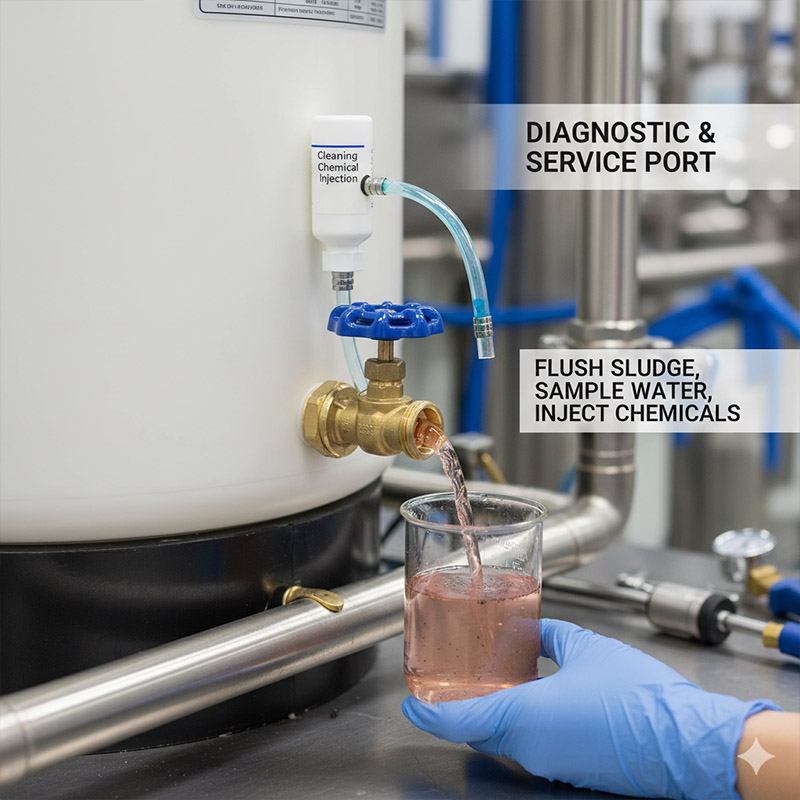
What Is a Boiler Drain Valve Actually Used for on Your Molding Equipment? You need a quick mold change. The temperature control unit is full of hot, pressurized water, making the process slow and dang
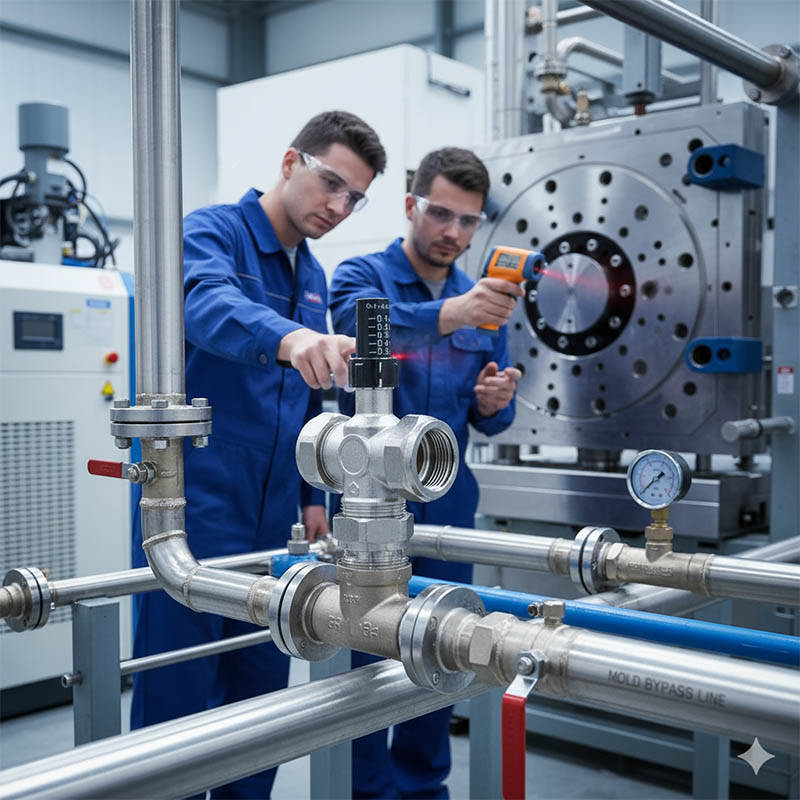
How Do You Know if Your Mold’s Bypass Valve is Open or Closed? Your mold temperature is unstable, causing defects. You suspect a flow issue, but the chiller seems fine. Is a hidden valve sabotaging yo
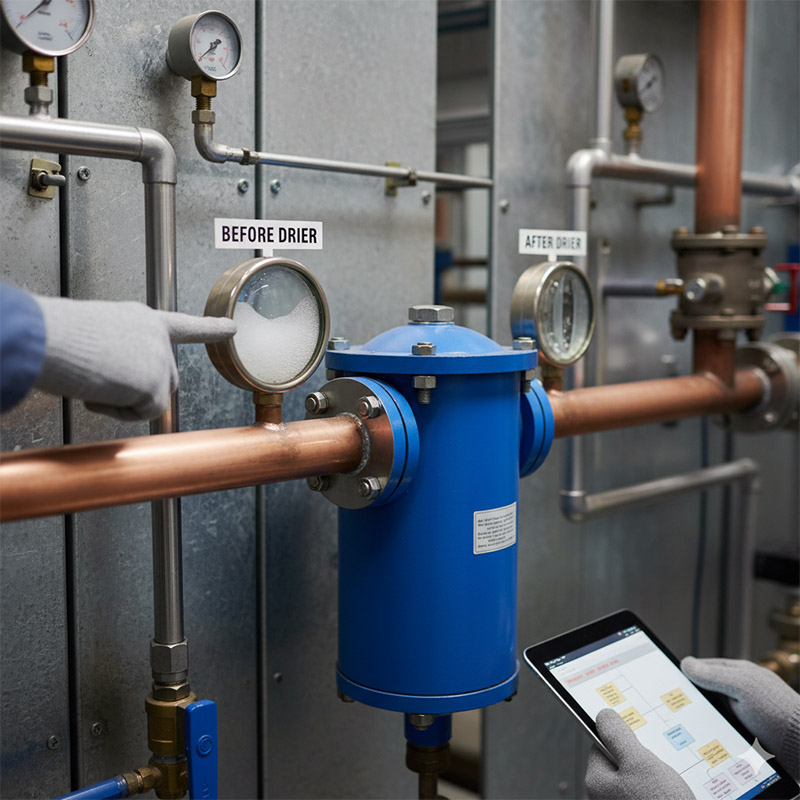
Should Your Chiller’s Sight Glass Go Before or After the Filter-Drier? You’re desperately trying to fix a chiller that isn’t cooling your mold properly. The sight glass looks clear, but you still susp
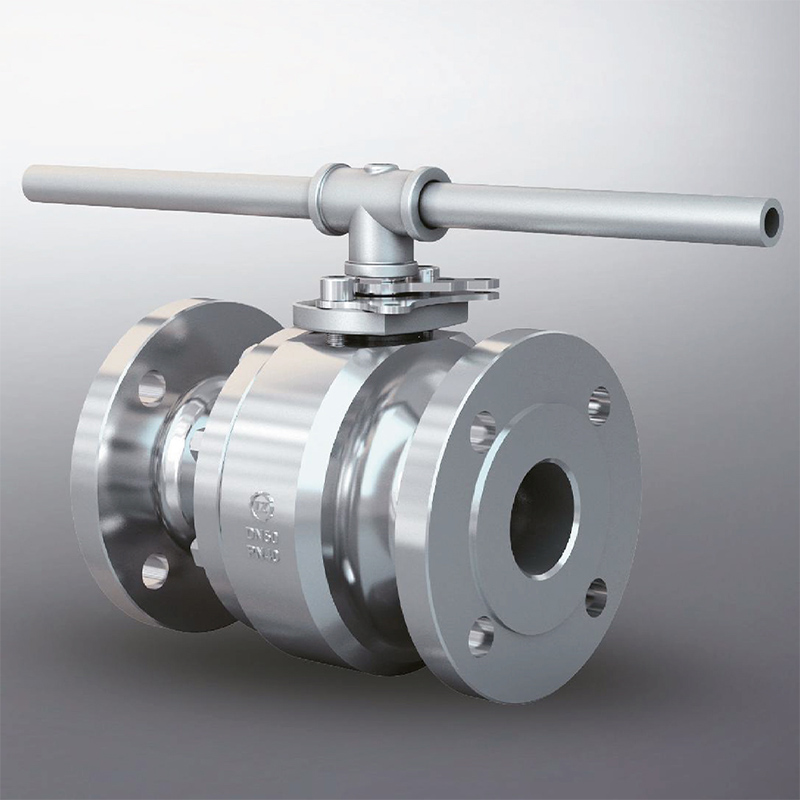
How Does an Industrial Float Valve Keep Your Chiller Tank from Running Dry? The emergency alarm sounds. Production halts. The problem isn’t the mold or the machine, but an empty chiller tank that has

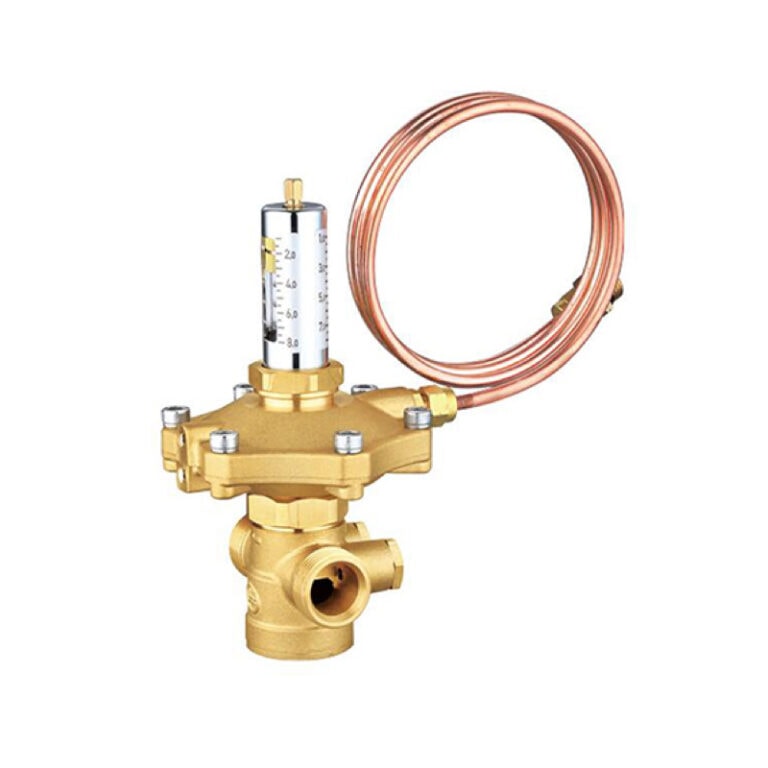
Do Your Mold Sight Glasses Really Need Special Maintenance? You installed them on every cooling line. Now you just glance at them, trusting the little spinners or floating balls. But are you ignoring