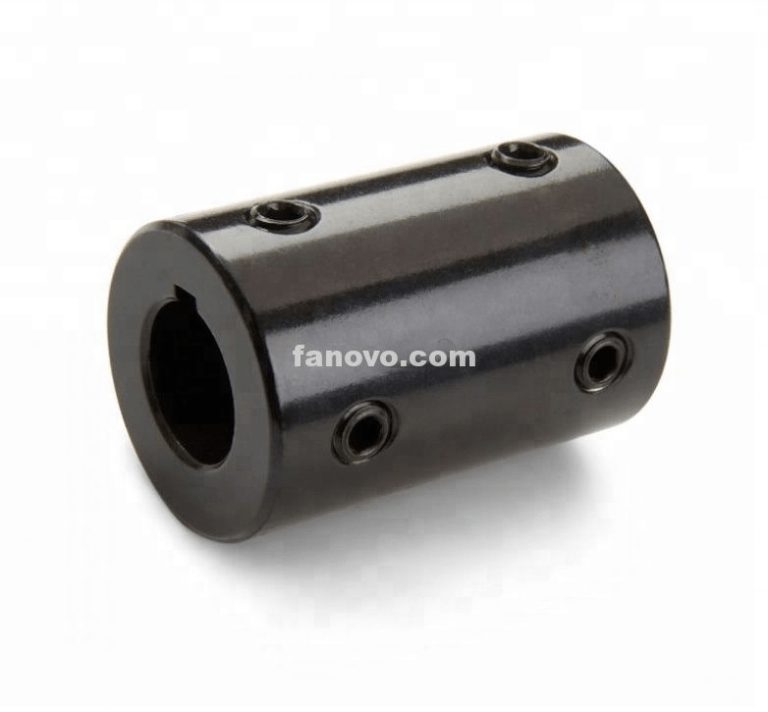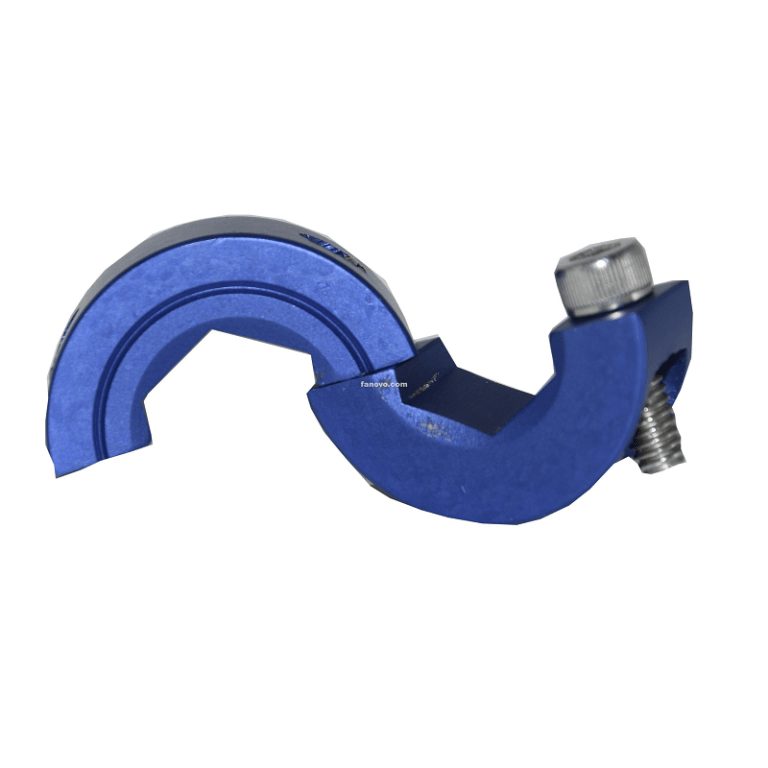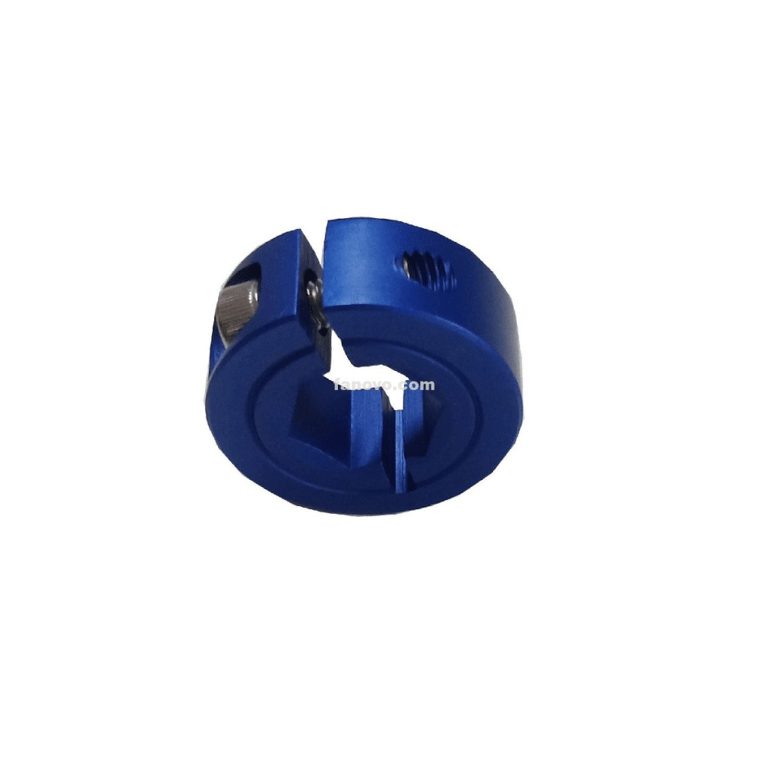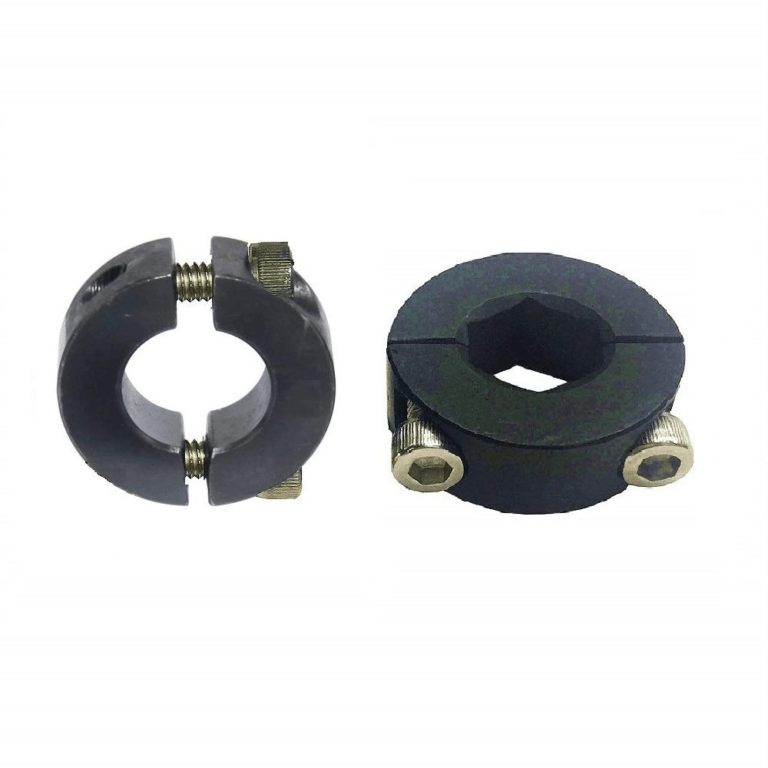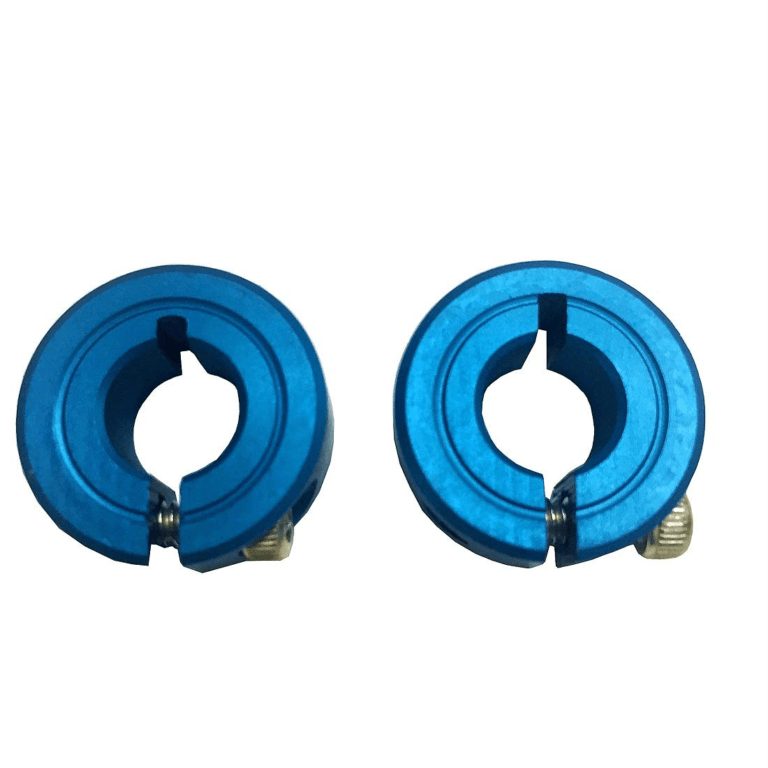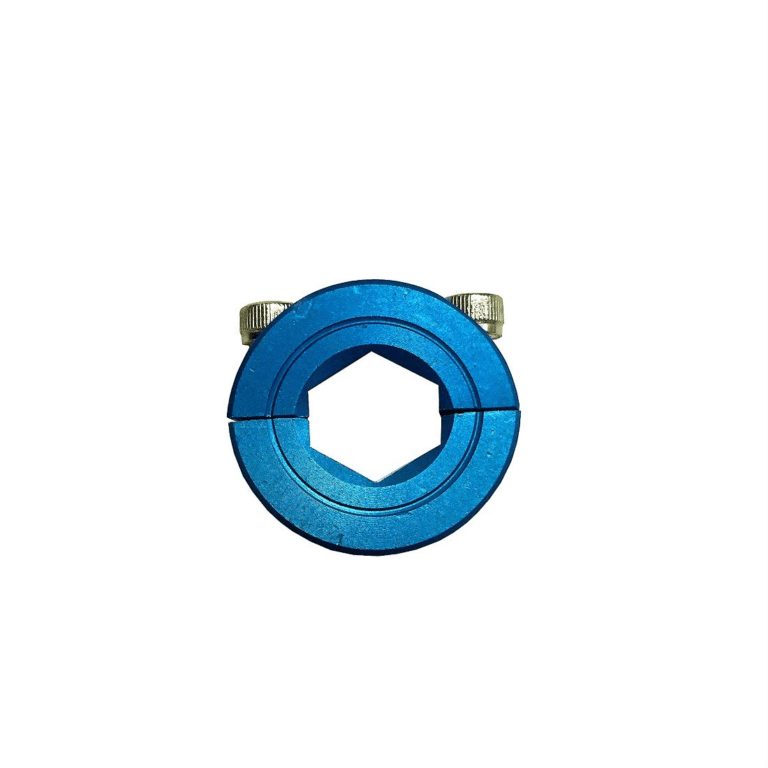

















Fanovo is a leading factory manufacturer and bulk supplier of high-quality clamping shaft collars. Engineered for precise and secure positioning of components, our collars provide superior holding power and will not mar the shaft, making them the preferred choice for modern industrial and automation applications.
As a direct manufacturer with ISO 9001 certified processes, we offer a complete range of one-piece and two-piece clamping collars in stainless steel, black oxide steel, and aluminum. By purchasing directly from the Fanovo factory, our B2B customers—including OEMs, distributors, and MRO professionals—benefit from competitive pricing, consistent quality, and a reliable supply chain for both standard and custom requirements.
The Fanovo Advantage: The clamping collar source you can trust.
Direct Factory Advantage: We are not a reseller. We manufacture our collars in-house, giving us complete control over quality, production scheduling, and cost. This translates to better value and reliability for you.
Precision Machining for Uniform Clamping: Every Fanovo collar is precision-machined with a smooth, burr-free bore. This ensures uniform, 360-degree clamping force around the shaft for excellent holding power without the digging and damage caused by set screw collars.
Premium Material Selection: We use only certified, high-quality raw materials. Choose from 304 Stainless Steel for corrosion resistance, Black Oxide Steel for strength and value, or 6061 Aluminum for lightweight applications.
Custom & Standard Solutions: We stock a vast inventory of standard inch and metric sizes for immediate shipment. For unique OEM applications, we are an expert factory partner for manufacturing custom shaft collars with special bore sizes, materials, or hardware.


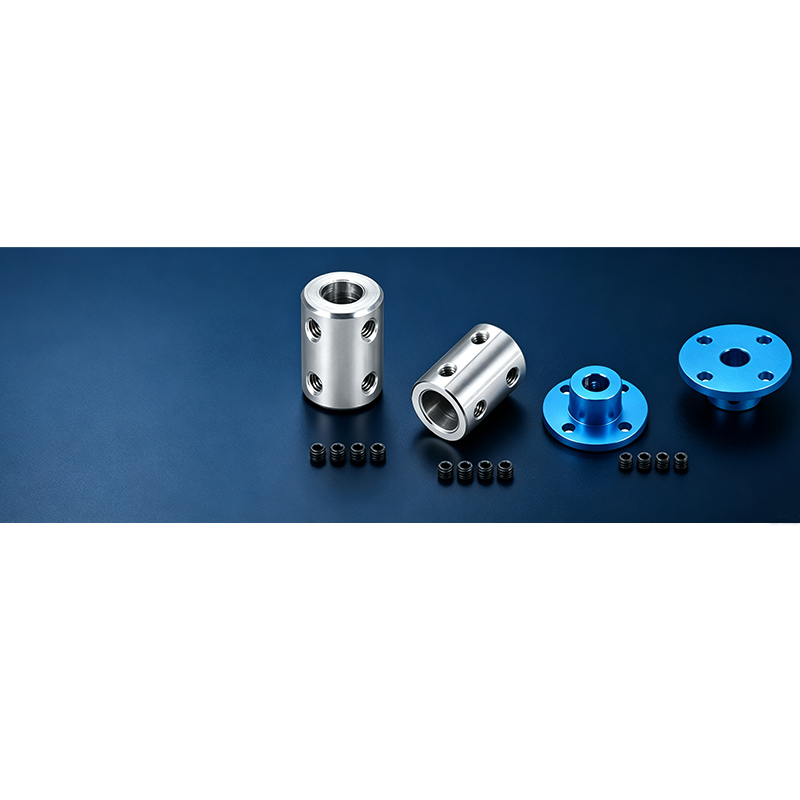
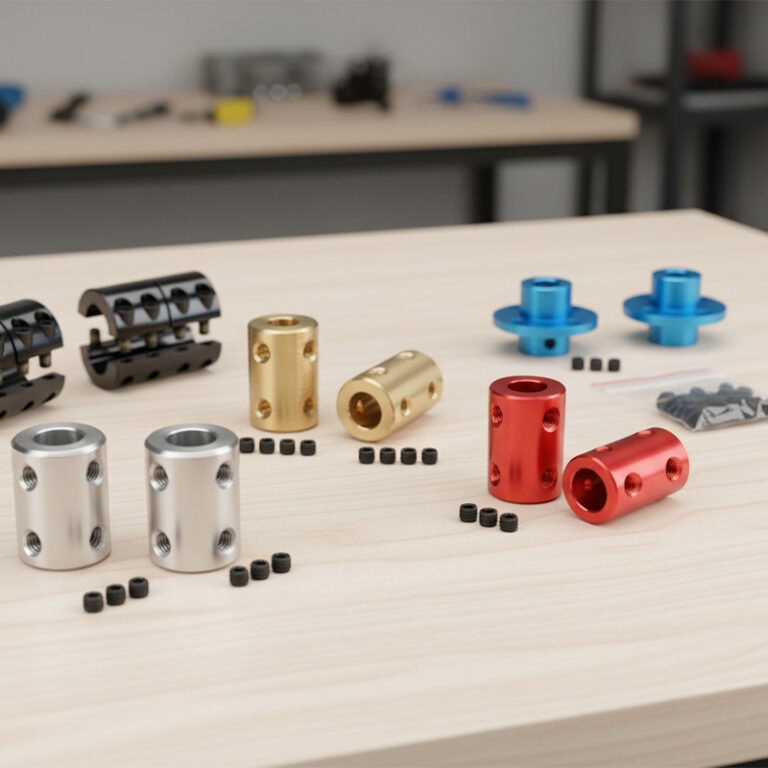
We supply shaft collars in multiple materials to match diverse working conditions. Standard options include aluminum alloy (lightweight, anodized surface for corrosion resistance, ideal for automation, robotics and 3D printers), carbon steel (high strength, cost-effective for general machinery), stainless steel 304/316 (excellent rust resistance, suitable for wet, outdoor and food-grade equipment). Custom materials such as brass can also be produced upon request.
Our product range covers set screw shaft collars, one-piece clamping collars, two-piece split shaft collars, and flange shaft collars. Set screw collars are the economical choice for light load applications; clamping and split collars deliver uniform clamping force without damaging shaft surfaces; flange shaft collars allow direct mounting to frames, wheels and transmission components, widely used for axial positioning and connection tasks.
Yes. Besides standard inch and metric bore sizes, we support fully customized dimensions. We can machine special inner diameters, outer diameters, width, tapped hole positions and hole quantities. We accept custom drawings or samples, and support small-batch prototype orders as well as mass production for bulk buyers.
For aluminum collars, we provide clear anodizing, blue anodizing, black anodizing to improve wear resistance and anti-corrosion performance. Steel collars can be zinc-plated, black oxide finished. Stainless steel collars come with machined natural finish or passivation treatment. Special surface treatments can be arranged according to your requirements.
Split and clamping style shaft collars perform well in high-speed operating environments when properly installed. They distribute pressure evenly around the shaft. For extreme high-speed scenarios, we can conduct precision balancing on collars. Set screw collars are not recommended for continuous high-speed rotation as set screws may create indentations on the shaft surface.
Standard in-stock models can be shipped within 3–7 working days. For customized shaft collars requiring CNC machining, the production lead time is generally 15–25 working days, depending on order quantity and processing complexity. We will confirm the exact schedule after receiving your specifications.
Absolutely. We support OEM and ODM cooperation. We can laser engrave your brand logo on products, adjust product structures based on your design, and develop new models for your specific machinery projects. Our engineering team can offer technical suggestions to optimize your design and reduce production costs.
First confirm your shaft outer diameter to match the collar bore size. Then determine load requirements to choose the right style: select set screw collars for low-load positioning, clamping/split collars for medium and heavy loads. Next select material based on working environment (temperature, humidity, corrosion risk). Finally confirm if you need flange mounting or special mounting hole layout. Our technical team can assist you with model selection if you share your working parameters.
Our CNC machining workshop can maintain tight dimensional tolerances. Standard bore tolerance is H7, and we can achieve tighter tolerance levels such as H6 for precision automation equipment. All finished products go through dimension inspection before shipment to guarantee consistent quality.
Our shaft collars are widely adopted in industrial automation equipment, robotic systems, conveyor machinery, packaging machines, 3D printers, agricultural machinery, medical equipment, textile machinery and power transmission systems. They are primarily used for shaft positioning, component spacing, limit stops and power connection.

Restoring the Lifeline: The Role of Advanced Flow Control in Disaster Recovery The news from Venezuela is deeply saddening. On behalf of the entire Fanovo team, our hearts go out to all the families a
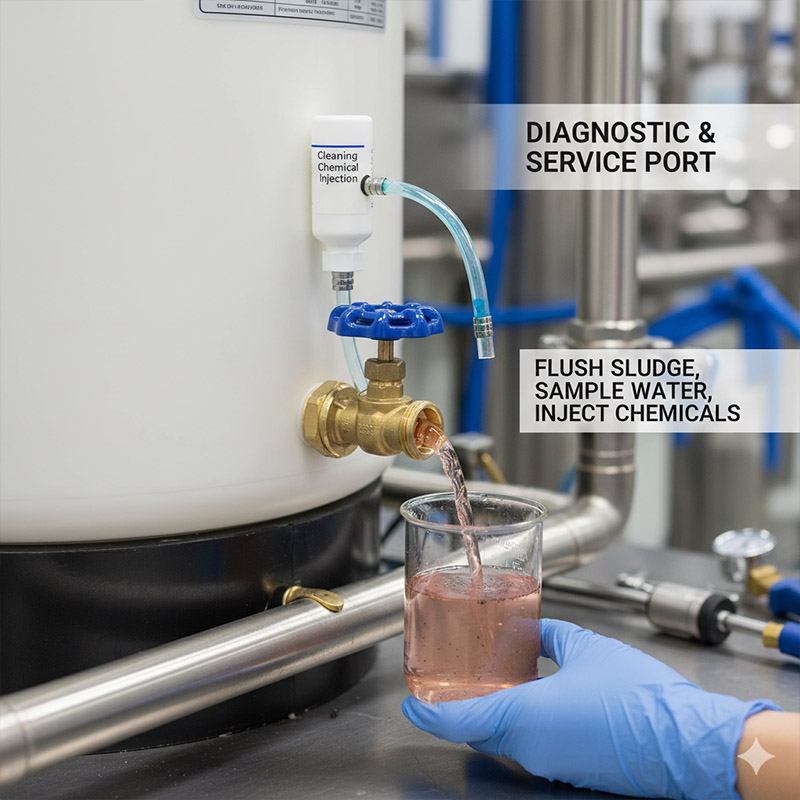
What Is a Boiler Drain Valve Actually Used for on Your Molding Equipment? You need a quick mold change. The temperature control unit is full of hot, pressurized water, making the process slow and dang
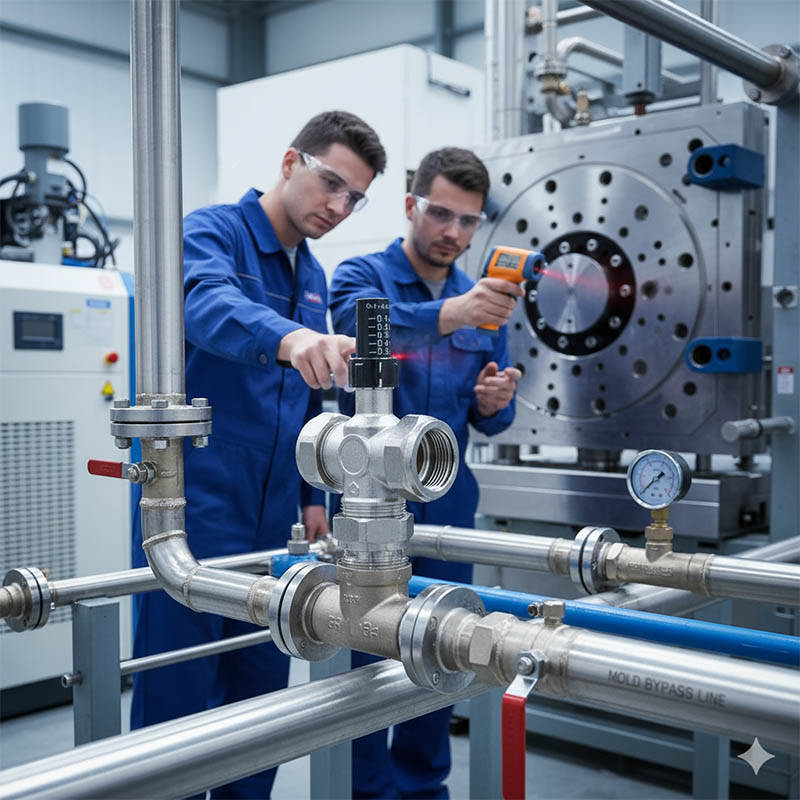
How Do You Know if Your Mold’s Bypass Valve is Open or Closed? Your mold temperature is unstable, causing defects. You suspect a flow issue, but the chiller seems fine. Is a hidden valve sabotaging yo
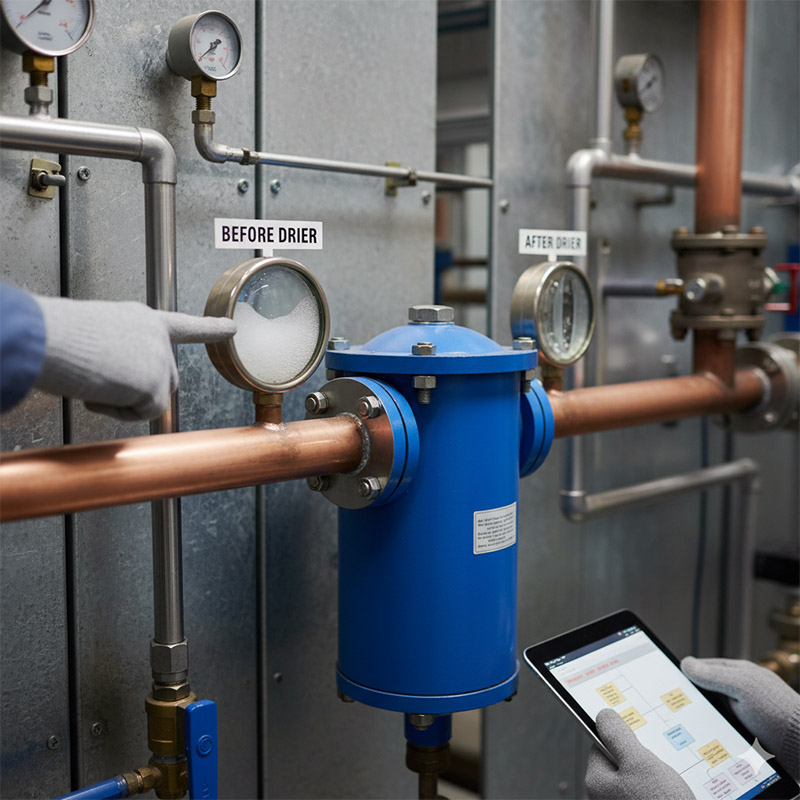
Should Your Chiller’s Sight Glass Go Before or After the Filter-Drier? You’re desperately trying to fix a chiller that isn’t cooling your mold properly. The sight glass looks clear, but you still susp
How Does an Industrial Float Valve Keep Your Chiller Tank from Running Dry? The emergency alarm sounds. Production halts. The problem isn’t the mold or the machine, but an empty chiller tank that has

Do Your Mold Sight Glasses Really Need Special Maintenance? You installed them on every cooling line. Now you just glance at them, trusting the little spinners or floating balls. But are you ignoring